
Training during exams: how to manage study and triathlon
If you are in secondary school or at university, this time of year usually means one thing: exams. Some years, like year 12, the stakes feel higher than others. No matter which year you are in, the pressure of results, the change in routine and the expectations we place on ourselves can make October and November a genuinely stressful time.
All of this happens at exactly the moment the weather in Melbourne starts to improve, the triathlon season is fast approaching, and every instinct you have is telling you to get outside and move. We see this tension play out with our athletes every year at Momentum Triathlon Academy, and we want you to know that it is completely normal.
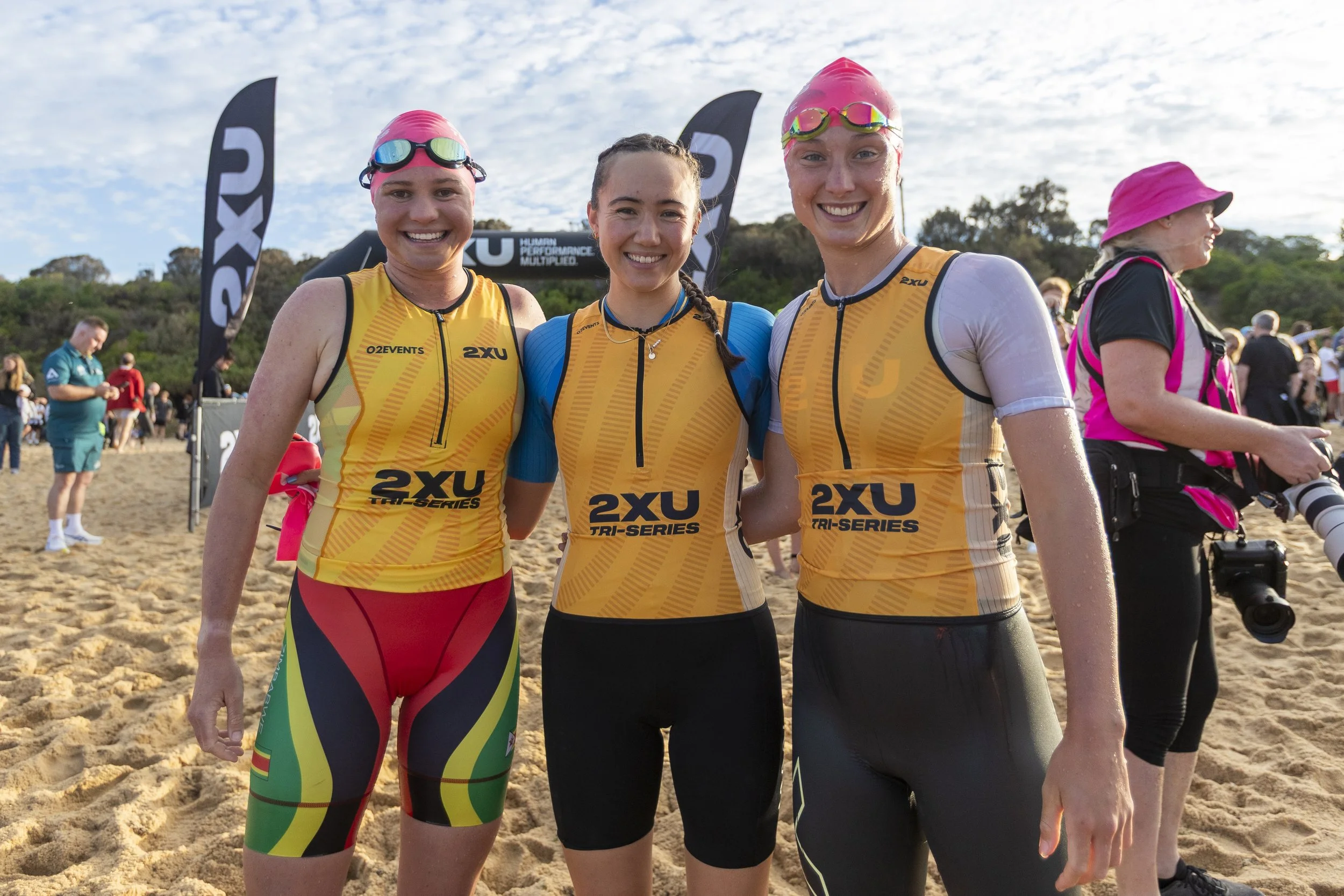
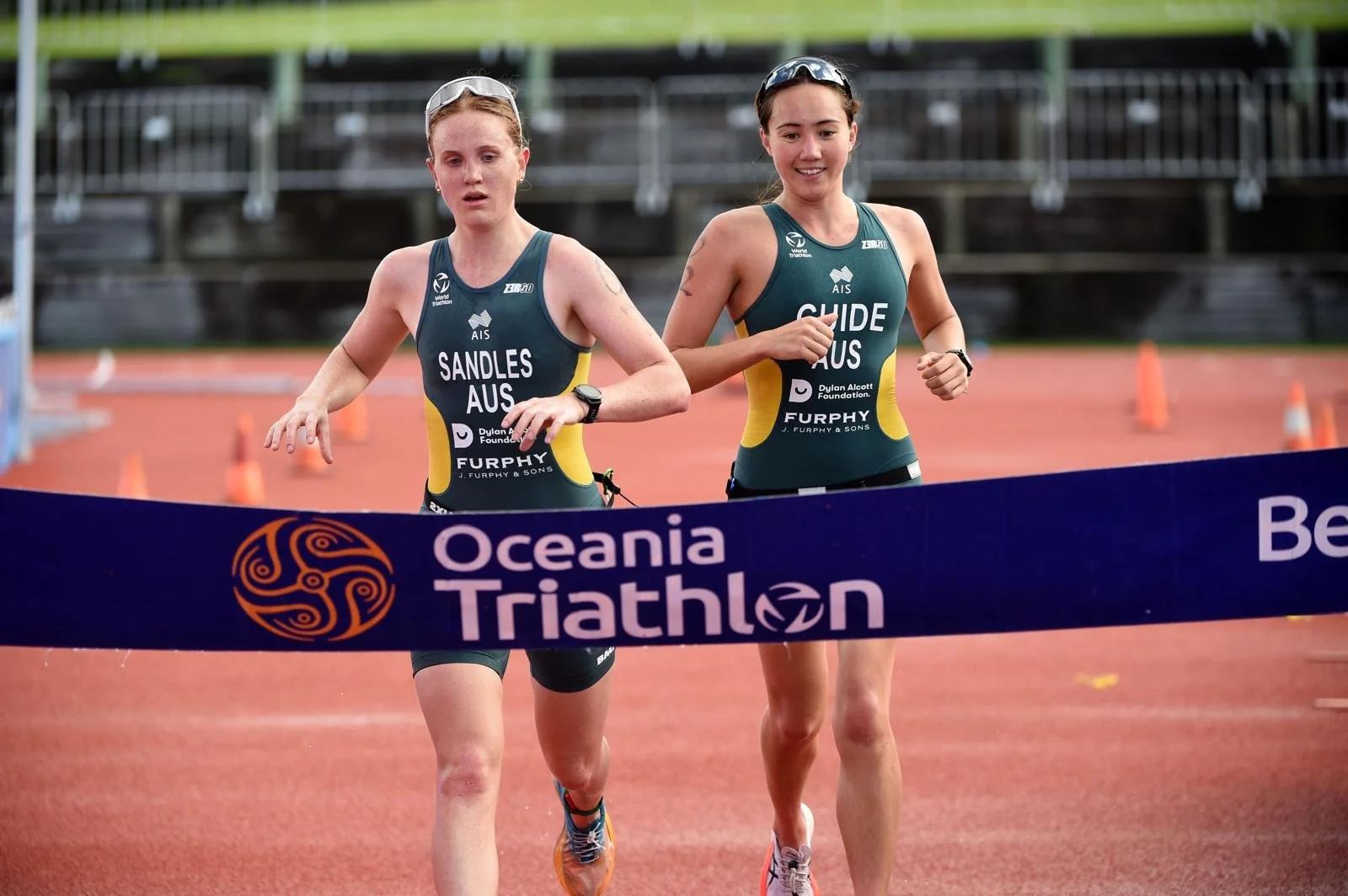
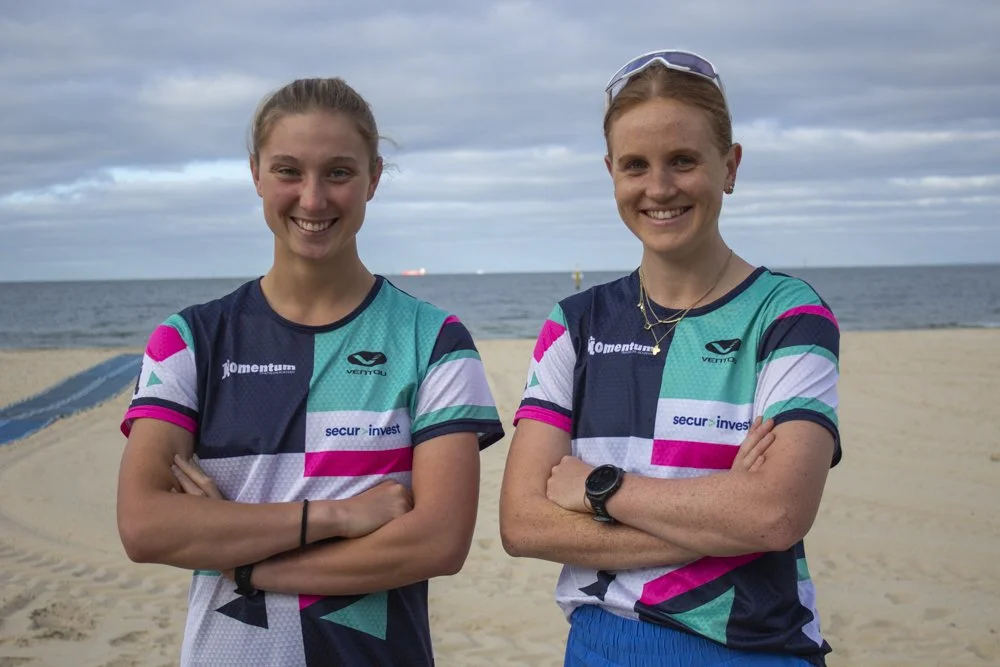
We asked three of our more experienced MTA athletes, Skye Wallace, Andie Kuipers and Maggie Sandles, to share how they managed their exams whilst trying to keep their swim, bike and run going. Between them they have navigated school and university exams alongside national and international competition. Here is what they had to say.
Getting Organised
The single most important thing you can do before exam season hits is to get clear on what needs to happen and when. Without a plan, study and training both suffer.
Skye's approach was to map everything out in advance. "I generally plan out and write down a list of things I need to do that day or week, working backwards from the exam. That would include revision notes, practice exams, chapters I need to read. That way I had a list of actions I could physically cross off and something to keep me accountable."
Andie treated her study like her triathlon and tried to make the hours she did study actually count. “Studying is like training. You don't train the whole day because there's no way your body will absorb the load. The same applies to studying. Sitting at your desk all day isn't going to help you absorb the information."
Keeping Moving
Training during exams could be seen as a luxury or a distraction, but in our experience, it can be one of the most productive things young athletes can do for their mental state and ability to concentrate. Research in cognitive science consistently backs this up. For fidgety athletes who are used to doing plenty of exercise, the right intensity and amount of training is not necessarily time away from study. It can be preparation for it.
Maggie’s approach was to keep things simple. "My approach was to try and keep the routine of a normal school day, even when we weren't at school. So I would train before and after school hours, like normal." Routine is protective during stressful periods. When everything else feels uncertain, a training session at the same time each day can give the day structure and something to look forward to.
Skye used training as a reset rather than a fixed routine. "I would always do a session before I started any study, as that's what allowed me to concentrate. I would then allow myself a break for my second training session whenever I felt I couldn't focus. Sometimes that was after an hour, sometimes much later. I used training as a mental release and a way to get my energy out so I could then settle and focus again, because otherwise I'm too distracted to do anything."
Andie also moved before studying. "I recommend getting in some kind of training session or movement to start the day before hitting your books. There is a lot of good evidence that exercise before and after studying is really beneficial for memory retention."
Finding the best time to study
Knowing when you study best is important. Knowing this can help you plan and avoid clocking up hours at a desk during the wrong part of the day, being distracted and ineffective. Each of our athletes used a slightly different approach to this. Here’s what they did:
Skye was clear on what worked for her. "I think it's about finding what times work best for you. I know I study best between 4pm and 7pm, but trying to get me to study before I've done a workout is pointless. So I try to get my training done first so I can focus on study at the times that work best for me."
Maggie structured her days around the rhythm of a school timetable even during study leave. "The morning block was the longest, so I'd spend it revising whichever exam I had coming up next, then I would divide up the rest of the afternoon between other subjects."
Andie used a very specific structure. "I would wake up, do my morning session, then do two blocks of 45 minutes of study with a 15 minute break between them. The 45 minutes is only for studying. Not for Instagram, not for anything else. If I needed to do something else, even just print a piece of paper, I stopped my timer. Then 15 minutes to reset, and go again. I would get my second training session in after that and do another one or two 45 minute study blocks later in the day."
A note from the MTA Coaches
If you are a secondary school or university aged athlete heading into exam season and feeling unsure how to approach your training during exams, please talk to your coaches. Our goal is to find the best way for you to perform in your exams. As Skye, Maggie and Andie have expressed, keeping moving helped them mentally and to focus on their study. We want to work with you on your training, adjust session timings, and help you find a structure that works for both study and sport. With a bit of planning and prioritisation, we believe you can do both well.
Looking for a junior triathlon program that gets the whole picture?
At MTA we coach athletes, not just triathletes. If you are looking for a program in Melbourne that supports young people through every stage of their development, on and off the course, we would love to talk. Visit our junior coaching pageto find out more.