
How junior triathletes become better learners and why it matters
One of the questions we ask ourselves regularly at Momentum Triathlon Academy is not just what our athletes are learning, but how well they are learning. Because learning how to learn is a skill in itself, and it might be the most transferable one we can help a young athlete develop.
We work with junior athletes from around age 10 through to young adults at university, training around Melbourne. Across all of those ages and stages, the athletes who improve fastest are rarely the most naturally talented. They're the ones who have figured out how to engage with their own development, curiosity, self-awareness, and they are willing to ask good questions. Here's what that looks like in practice.
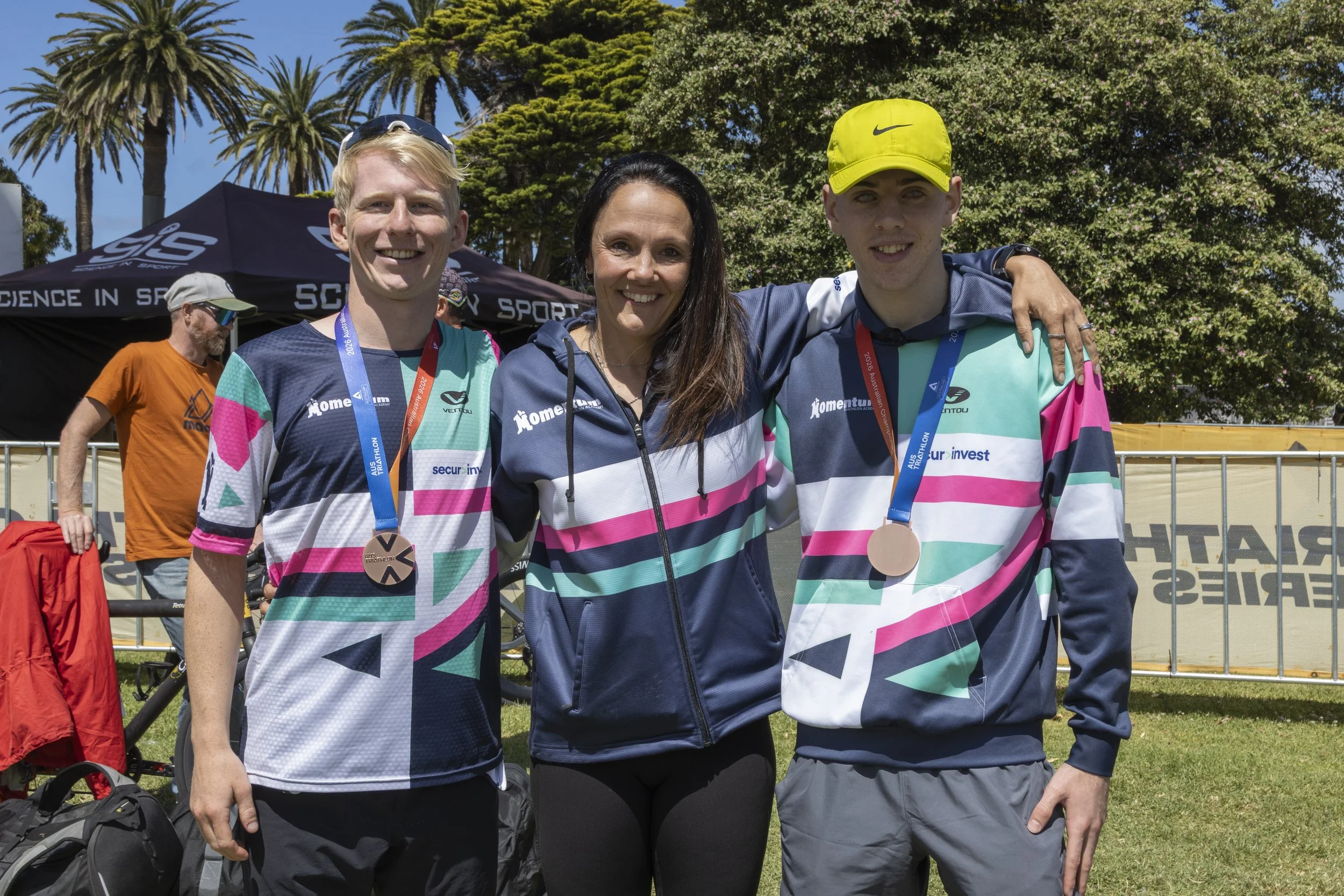
Be curious first, skilled second
A lot of young athletes put pressure on themselves to already be good. The ones who develop fastest tend to do the opposite. They get genuinely curious about what they don't yet know. Consistent curiosity over time compounds in ways that trying to shortcut the process simply can't. Patience in your learning matters more than most young athletes realise when they're starting out.
Work with your coach, not just for them
There's a meaningful difference between an athlete who turns up and does what they're told, and one who is actively involved in their own improvement. Delegating all responsibility for your development to a coach means progress depends entirely on constant prompting. Taking ownership of your own work ethic changes that dynamic completely. The best coaching relationships we have at MTA are genuine partnerships with plenty of communication.
Learn the fundamentals before everything else
Until someone works out how to download skills directly into the brain, Matrix style, practice and repetition are still what works best. And the order of that practice matters. Understanding what needs to be learned first, and why, is something we spend a lot of time on with our junior athletes. A new bike or wetsuit might help performance, but nowhere near as much as having the fundamentals in place. Get those sorted first. Progress follows.
Ask better questions
The quality of the questions an athlete asks determines the quality of the answers they get. Great athletes don't wait for feedback, they seek it out. If something keeps going wrong, the question isn't "why is this happening to me?" but "what am I doing that keeps making this happen?" That shift from passenger to problem solver is one of the most significant developmental steps we see in junior athletes at MTA as they mature. Research in sports psychology consistently shows that athletes who develop strong self-regulation skills, including the ability to reflect on and direct their own learning, outperform equally talented peers over time. It's a learnable skill, not a fixed trait.
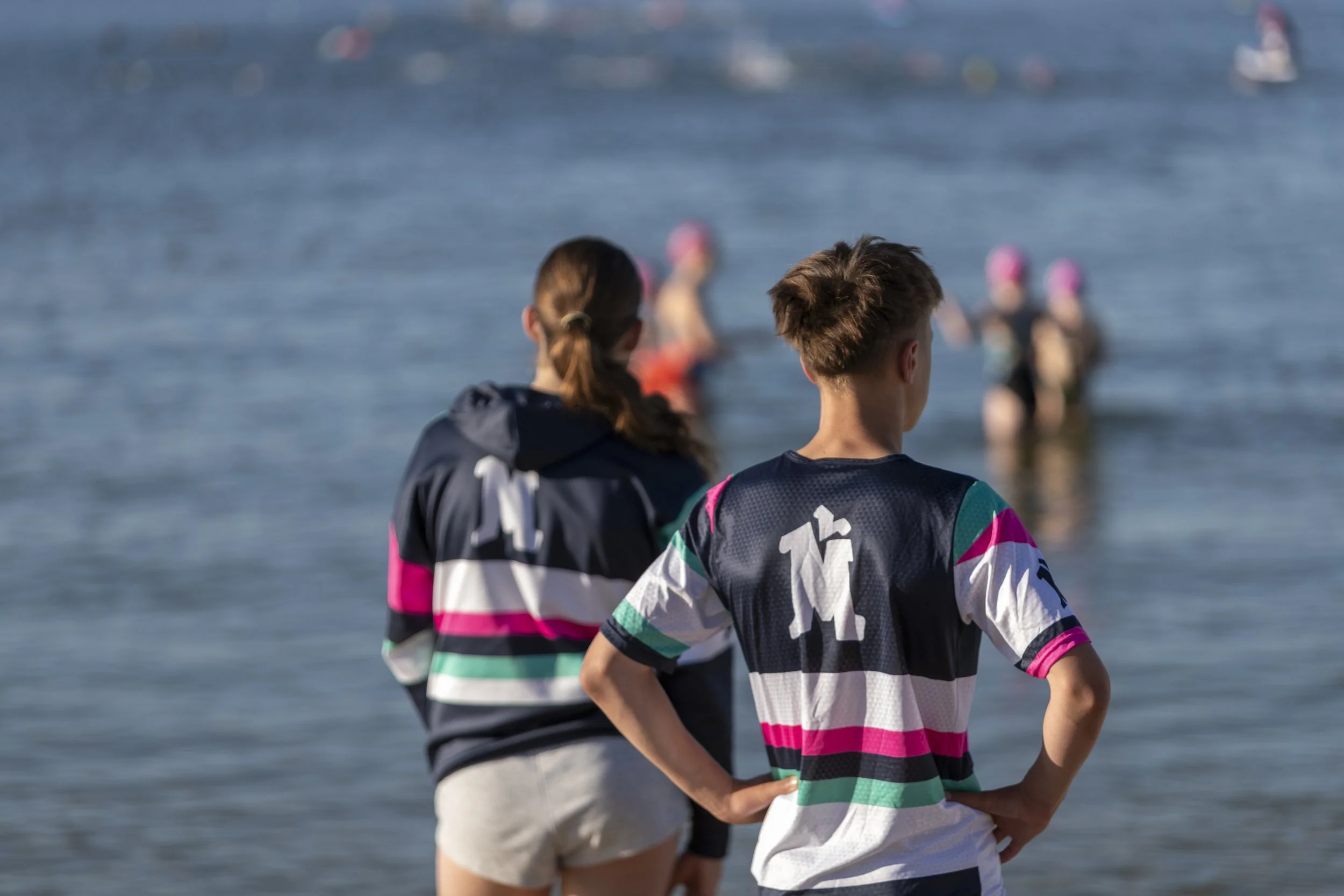
Draw on experience from other areas
Young athletes often underestimate how much they already know. Skills developed in other sports, at school, or even through hobbies are frequently more transferable than they think. We actively encourage junior athletes to draw on those connections. The squad itself is a resource, a group of athletes at different stages who have collectively solved a lot of the problems any individual athlete is currently facing. Use the wisdom of the group!
Watch people who are actually like you
Observing athletes who are successfully doing what you want to do is one of the most effective learning tools available. But the key is to find people whose circumstances are actually comparable to yours. Watching how Kristian Blummenfelt or Cassandra Beaugrand structure their training week is interesting, but it's not instructive for a junior balancing school, homework, basketball practice, family and two or three triathlon sessions a week. Find the athlete whose situation looks like yours. Their process is what will help you most.
The bigger picture
These six things, curiosity, work ethic, fundamentals, good questions, past experience, and observation, are not triathlon-specific. They're the building blocks of any effective learner. And that's exactly the point. The habits a junior athlete builds around their own learning in sport tend to show up everywhere else in their life too. That's something we care about at MTA as much as any race result.
Want coaching that develops the whole athlete?
If you're looking for a junior triathlon program in Melbourne that takes long-term athlete wellbeing and development seriously, we'd love to talk. Visit our junior coaching page to find out more about how we work.