
The triathlete's travel guide: practical advice for your first interstate or international race
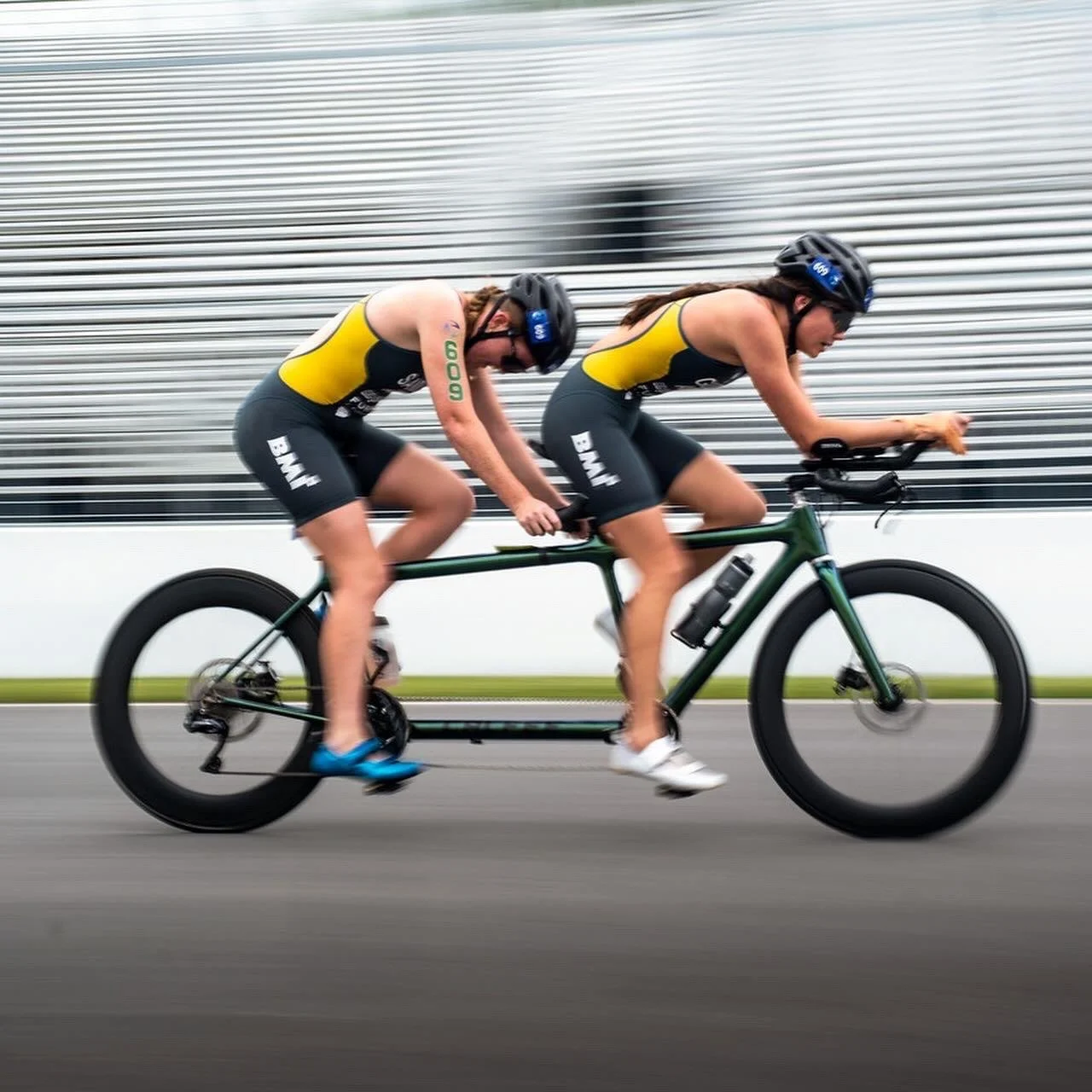
As our young MTA athletes begin to compete outside of Melbourne, the question of how to manage race travel becomes a real and practical one. Flights, bike logistics, accommodation, packing, visas, insurance… There is a lot to get right, and getting it wrong can turn an exciting race experience into a stressful one.
We asked Skye Wallace, our Young Athlete Wellbeing Coordinator and professional triathlete, to pull together her top tips for young athletes and parents who are travelling to train and race. Skye is currently overseas training and racing in Europe and has navigated race travel more than most. Her comprehensive travel guide is specifically for athletes and parents who are new to interstate or international racing and is a great resource!
Here are Skye’s top 5 tips to get us started…
Flights: The cheapest flight is rarely the cheapest option
When booking flights with a bike, the advertised price is almost never the full story. Cheaper fares often exclude checked luggage entirely, and airlines have very different policies when it comes to bikes. Some include the bike in your standard luggage allowance at no extra cost. Others charge an oversized baggage fee on top of everything else. On a long-haul flight, that difference can easily add several hundred dollars to your total cost.
Before booking, always check whether luggage is included in the fare, what the airline's specific bike policy is, how long any layovers are and whether your luggage transfers all the way through to your final destination. Skye has done a full comparison of airline bike policies for Qantas, Virgin, Jetstar, Emirates, Qatar, Singapore, Etihad, Cathay Pacific, Air New Zealand and China Eastern, all updated as of August 2026.
Timing: When to arrive matters more than most athletes realise
For a domestic or short-haul race, aim to arrive at least a few days before race day. Flying on a Thursday for a Sunday race, for example. It keeps accommodation costs manageable while giving you enough time to rebuild your bike, do a course recon, complete registration and attend the race briefing without feeling rushed.
For international races, arriving around 10 days before is ideal to allow your body to adjust to jet lag. Obviously there is a practical and cost element to this, but in Skye’s experience, flying in closer than one week before an A-race becomes more stressful. Arriving earlier also gives time for any lost luggage to make its way back to you, which is more likely when you are taking multiple connecting flights.
Accommodation: It is worth getting right
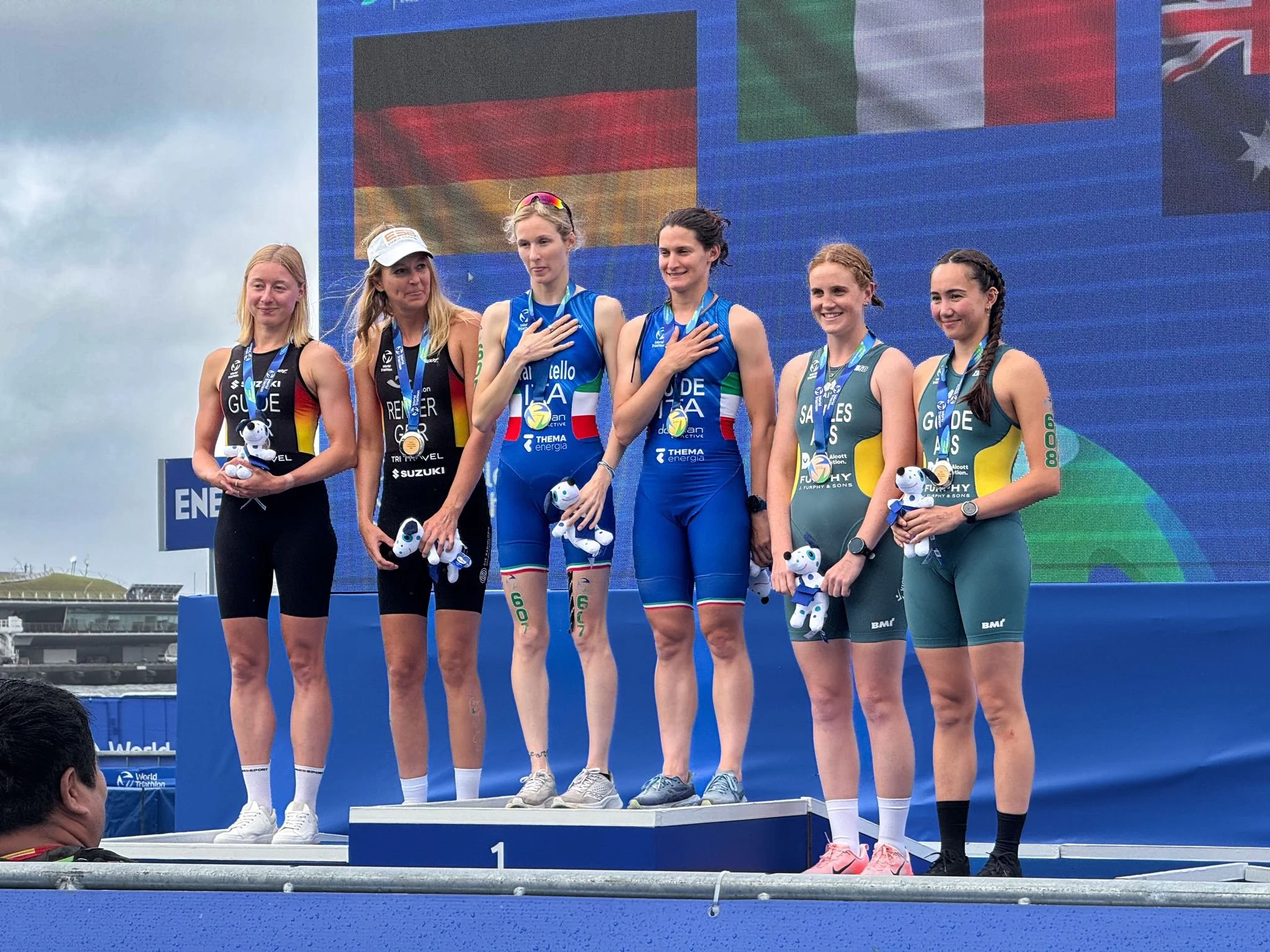
The right accommodation makes the whole trip easier. The wrong choice adds stress at exactly the moment you do not need it. The key things to check are proximity to the race start, access to a kitchen so you can prepare your usual pre-race meals, nearby shops, air conditioning if you are racing somewhere hot, and whether your neighbours are likely to keep you awake the night before the race. A good tip is to share accommodation with a training partner, so you can split costs and may be able to get a significantly better apartment in a better location, for the same budget.
The Bike: Pack your bike early and photograph everything
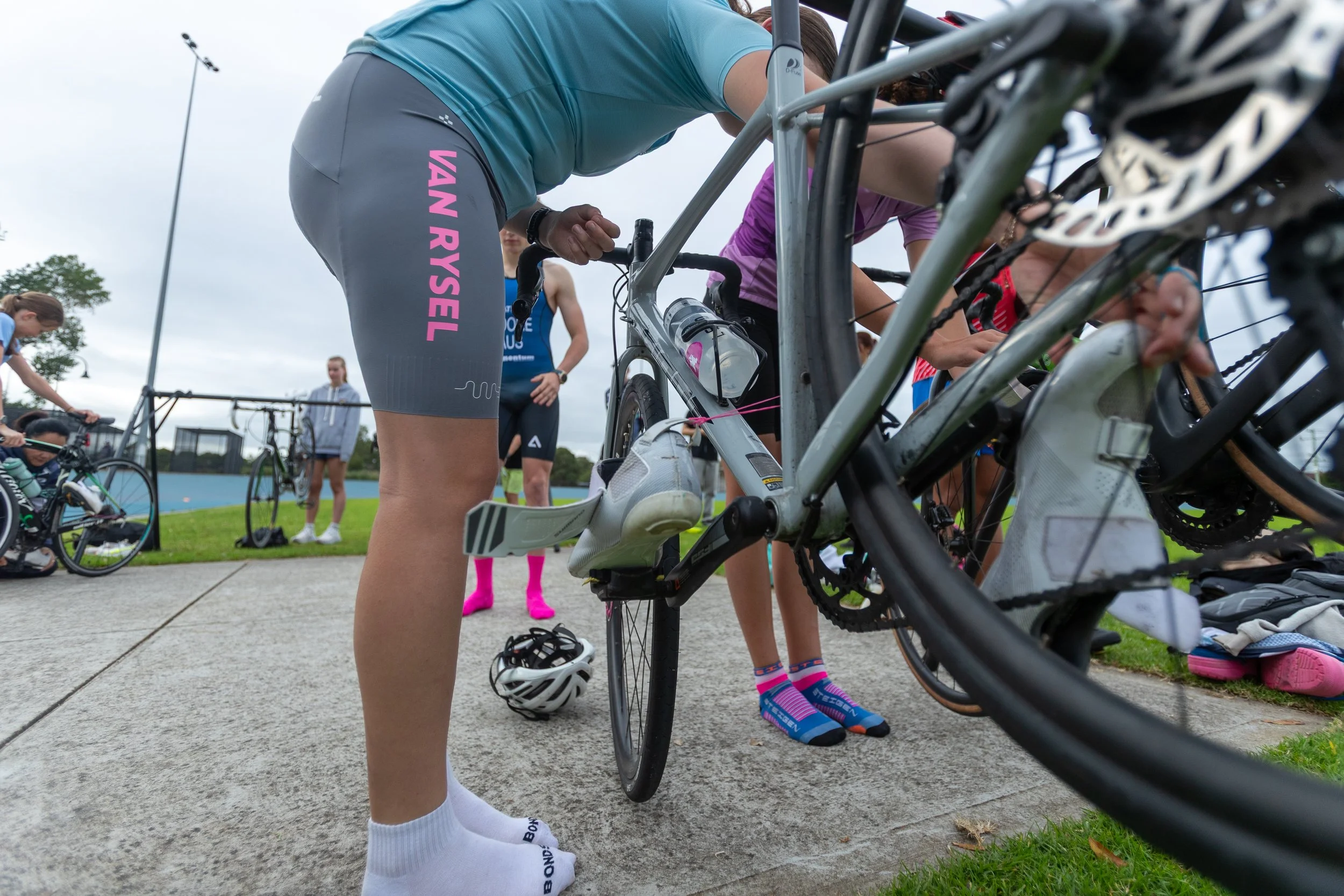
Packing a bike for the first time is daunting. Try to at least practice this a few days before you travel rather than the night before, especially if you are unfamiliar with your bike bag or box. Before you dismantle anything, take detailed photos of your bike so you know exactly how everything goes back together. Mark your seat post height and handlebar positions with electrical tape or a marker. Pack your tools in a zip-lock bag inside the box. Weigh the box before you leave home if you have luggage scales, as excess baggage fees at the airport can be really expensive. Also consider putting an AirTag inside the bike bag so you can track it if it goes astray.
Logistics: The small stuff matters
The unglamorous stuff matters. Make sure your passport is valid for the full duration of your trip and check visa requirements well in advance if you are travelling internationally. Set up a travel-friendly bank card such as Wise or Revolut to avoid foreign transaction fees. Organise a local SIM card or eSIM so you are not hit with expensive roaming charges. These can mount up really quickly in our experience! Make sure you have travel insurance. A medical emergency overseas without cover can result in an enormous bill, particularly in countries that do not have reciprocal healthcare agreements with Australia.
The full guide
Skye has pulled all of this together into a comprehensive interactive guide designed specifically for triathletes who are new to interstate or international race travel. It is the kind of resource we wish had existed when our athletes were travelling to their first races! It covers everything you need to know around: Flights, accommodation, packing, travelling with a bike, logistics, arrival in a new country, health emergencies and useful apps to help with currency, transport, accommodation and navigation.
You can find the full guide here: The Triathlete's Travel Guide
Want to find out more about racing and training with Momentum?
We are proud of the experiences our young athletes are having on the national and international racing circuit and we work hard to make sure they are prepared for everything that comes with it. If you would like to find out more about training and racing with MTA, visit our junior coaching page or get in touch with Chris and Sam directly.